Check Any Car, Truck, or Motorcycle VIN in Seconds
Free VIN Decoder & Lookup
Decode any VIN—get make, model, year, engine, and build details in seconds. Our VIN lookup tool works on all major makes and models.
How the VIN Lookup Tool Works
Enter a VIN number above to instantly reveal a vehicle’s make, model, year, engine type, and factory details. Our lookup pulls data from trusted automotive databases—no sign-up required.
-
Step 1
Enter the VIN
Input the full 17-character Vehicle Identification Number into the search box.
-
Step 2
Initiate the Lookup
Click the button to run your VIN search and retrieve detailed vehicle data.
-
Step 3
Get Your Instant Report
Instantly view your basic report with essential vehicle details.
Why Use a VIN Check Tool
Our tool instantly identifies vehicle specs like model year, engine, and build information—using its 17-digit identification number. It’s an easy way to verify authenticity before buying or selling. Here’s why car buyers and owners use our VIN lookup.
-
Verify Vehicle Details
Confirm the make, model, year, trim, engine type, and other key details to ensure the vehicle matches the seller’s description.
-
Seamless and Anonymous
No personal information required—just enter the 17-character VIN to instantly access detailed vehicle data from trusted sources.
-
Absolutely Free
Check any VIN—no sign-up, no fees, and instant results for cars, trucks, motorcycles, and other vehicles.
Everything You Need to Know
About VIN Checks
A VIN decoder quickly and legally reveals a vehicle’s key specs and manufacturing data for any car, truck, or motorcycle. By entering a vehicle’s 17-character VIN, you can reveal key manufacturing details and verify important information before making a purchase, selling a car, or researching a vehicle’s background.
1. What Can You Learn from a VIN?
Decoding a VIN instantly reveals important details about a vehicle, including:
- VIN (Vehicle Identification Number)
- Make and model
- Vehicle year
- Trim level
- Body style (e.g., pickup, sedan, minivan)
- Fuel type (e.g., gasoline, diesel, electric)
- Engine specifications
- Transmission type
- Drive type (e.g., FWD, AWD, RWD)
- Number of doors, seats, and wheels
- Steering wheel position
- Country of manufacture
These details help confirm a vehicle’s identity, ensure it matches a seller’s description, and can be used to check for technical specifications.
2. Why Use a VIN Check Tool?
People rely on VIN decoding for many reasons:
- Used car shopping—Verify key details before buying.
- Fraud prevention—Detect VIN cloning or altered VIN plates.
- Import/export verification—Confirm legal compliance for international sales.
- Vehicle research—Learn specs for resale, insurance, or restoration projects.
A VIN decoder helps you make informed decisions and avoid costly mistakes.
3. Is It Legal and Secure?
Yes. VIN decoding is legal in the United States and most countries. The VIN is a public identifier and does not contain personal owner information.
- 100% legal—Fully compliant with the Driver’s Privacy Protection Act (DPPA).
- Anonymous—No registration or personal details required.
- Unlimited searches—Check as many VINs as you need for research, buying, or selling.
4. VIN Decoder vs. Full Vehicle History Report
A VIN decoder gives you detailed specifications but not complete historical records. For in-depth insights, you’ll need a full vehicle history report, which can reveal:
- Accident and damage history
- Odometer rollback check
- Title status (clean, salvage, rebuilt)
- Lien and impound records
- Ownership and registration history
- Theft records
- Insurance total loss events
- Auction sales and listings
- Real vehicle photos
- Vehicle specs and key features
Using both tools together provides the most complete picture of a vehicle’s identity, specifications, and history.
Understanding Vehicle Identification Numbers (VINs)
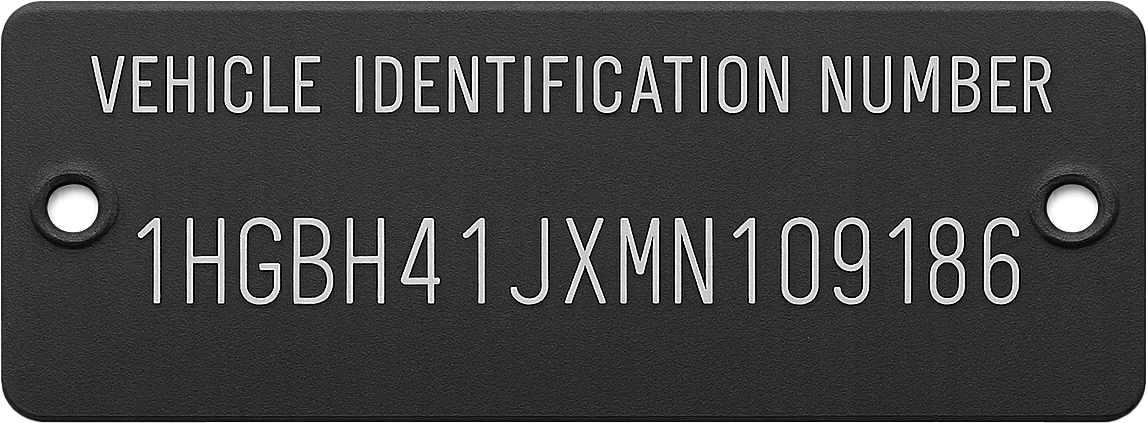
A Vehicle Identification Number (VIN) is a unique 17-character identifier used to track a vehicle’s specifications, manufacturing details, and history. Standardized globally since 1981, a VIN is critical for verifying a vehicle’s authenticity, performing history checks, and ensuring it meets safety and compliance regulations.
What Is a VIN and How Is It Structured?
Every VIN is divided into three key sections:
- WMI (World Manufacturer Identifier)—Identifies the vehicle’s manufacturer and country of origin (e.g., “1HG” for Honda USA).
- VDS (Vehicle Descriptor Section)—Contains details about the model, body style, engine, and transmission.
- VIS (Vehicle Identifier Section)—Includes the production year, assembly plant, and unique serial number.
Knowing the structure helps ensure a VIN is valid and can reveal basic specifications without any extra tools.
Where to find the VIN
The 17-character VIN appears in several places. Most common:
- At the base of the windshield on the driver’s side (visible from outside).
- On the driver’s door jamb/door edge label.
- On your title, registration, and insurance card.
- In service/inspection records.
- Under the hood (engine, firewall, or radiator support).
- Trunk/spare tire well or frame rails.
- Motorcycles: on the steering neck or frame near the handlebars.
- Trailers/RVs: on the frame tongue or inside the left front area.
Different Types of VIN Numbers Explained
While most modern VINs follow the 17-character standard, there are important variations:
- Passenger Vehicles—Used for sedans, SUVs, hatchbacks, etc.
- Commercial Vehicles—Trucks, buses, and fleet vehicles often have VINs tied to specific compliance standards.
- Motorcycles—Similar 17-character codes but with motorcycle-specific model codes.
- Classic & Pre-1981 Vehicles—VINs may have fewer than 17 characters and use unique state or manufacturer formats.
How Are VIN Numbers Assigned to Vehicles?
VINs are assigned at the manufacturing stage by the vehicle maker. Each number and letter is strategically chosen to follow international standards and ensure no duplicates exist globally.
Once assigned, a VIN is permanent for the life of the vehicle.
Why VIN Lookup Is Important Before Buying
A VIN lookup is more than a way to confirm a car’s specs. It can:
- Verify the exact make, model, trim, and manufacturing details
- Confirm if a vehicle matches its title records
- Detect fraud by spotting mismatches between the VIN and actual vehicle features
How to Use a VIN Decoder for Vehicle History Checks
When paired with a detailed vehicle report, a VIN can uncover accident history, title branding (salvage, rebuilt, etc.), mileage discrepancies, theft records, and past ownership details.
This makes it an essential step when buying, selling, or insuring a vehicle.
Is VIN Tampering Illegal?
Altering or tampering with a VIN is illegal in the U.S. and most countries.
Always check the VIN in multiple locations on the vehicle (dashboard, driver-side door, engine bay) to ensure they match and haven’t been modified.
Make-Specific VIN Decoders
Explore VIN decoding results tailored to your vehicle’s manufacturer with our dedicated make-specific pages. Whether you drive a Ford, Chevrolet, Toyota, or any other brand, our tool delivers accurate vehicle specifications and manufacturing details for all major makes.
- A
- B
- C
- D
- F
- G
- H
- I
- J
- K
- L
- M
- N
- O
- P
- R
- S
- T
- U
- V
- W
- X
- Y
- Z
Get Accurate Vehicle Specs
with a VIN Decoder
Our VIN decoder tool makes it simple to uncover detailed vehicle specifications in seconds. Whether you’re buying a used car, verifying your own vehicle, or researching a specific make and model, just enter the VIN to receive a clear, instant report. Perfect for buyers, sellers, and automotive enthusiasts looking for accurate manufacturing and equipment details.
Frequently Asked Questions
Have questions about our VIN decoder? This FAQ covers everything you need to know about decoding a Vehicle Identification Number, from what details you can uncover to how our tool works.
-
A VIN search translates a vehicle’s unique 17-character Vehicle Identification Number into detailed information such as make, model, year, engine type, manufacturing country, and more. It helps verify a vehicle’s identity before purchase.
-
Simply enter the VIN into our online tool. You’ll instantly see key vehicle specifications—no registration, no fees required.
-
Our tool provides details like the vehicle’s make, model, year, engine specs, trim level, manufacturing country, and more. For full records including accidents, title issues, or mileage verification, check a complete vehicle report.
-
The 17-character VIN is typically found at the base of the windshield on the driver’s side, on the driver’s door jamb/door edge label, on your title, registration, and insurance card, in service/inspection records, and sometimes under the hood (engine, firewall, or radiator support) or in the trunk/spare tire well or frame rails. Motorcycles: steering neck or frame near the handlebars. Trailers/RVs: frame tongue or inside the left front area.
-
Modern VINs (from 1981 onward) always contain 17 characters and exclude the letters I, O, and Q. The 9th character is a check digit; any typo will cause validation to fail. Common mistakes include O vs 0, I vs 1, S vs 5, B vs 8, and Z vs 2. Enter the VIN in uppercase, remove spaces, and recheck worn characters. Pre-1981 vehicles are not supported. If the VIN is unreadable, a license plate lookup may be able to retrieve it.
-
Yes, decoding a VIN is legal and safe. The information is publicly accessible and does not include personal owner data, ensuring privacy compliance.
-
No, owner details are not available through a VIN decoder due to privacy laws. If you need owner information, contact your local DMV with proper authorization.
-
Yes. Our tool is anonymous—no personal details are required.
-
If no results appear, check that the VIN is entered correctly and contains 17 characters. The vehicle may be too old or not yet listed in public databases. You can try a license plate lookup instead or contact your local DMV.
-
No, it only provides manufacturing and specification details. For accident history, title problems, or recall data, get a full vehicle history report.
-
While a VIN lookup shows factory details, a full car history report reveals accidents, title issues, mileage discrepancies, and recalls—giving you the complete picture before buying.